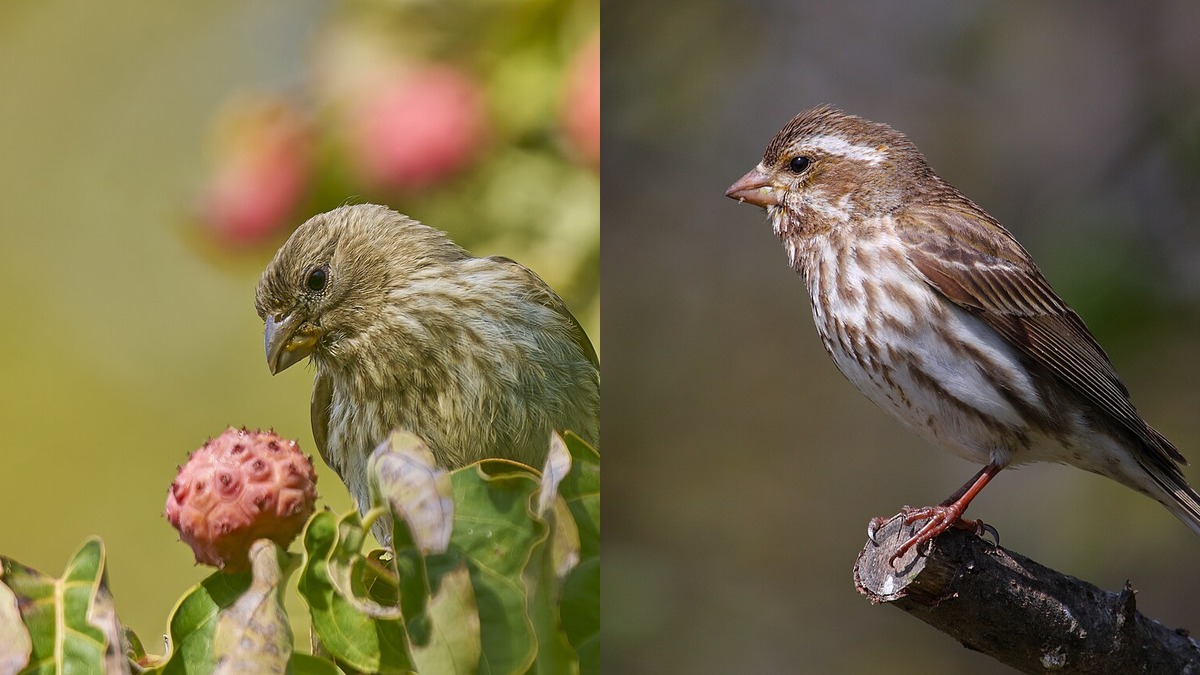
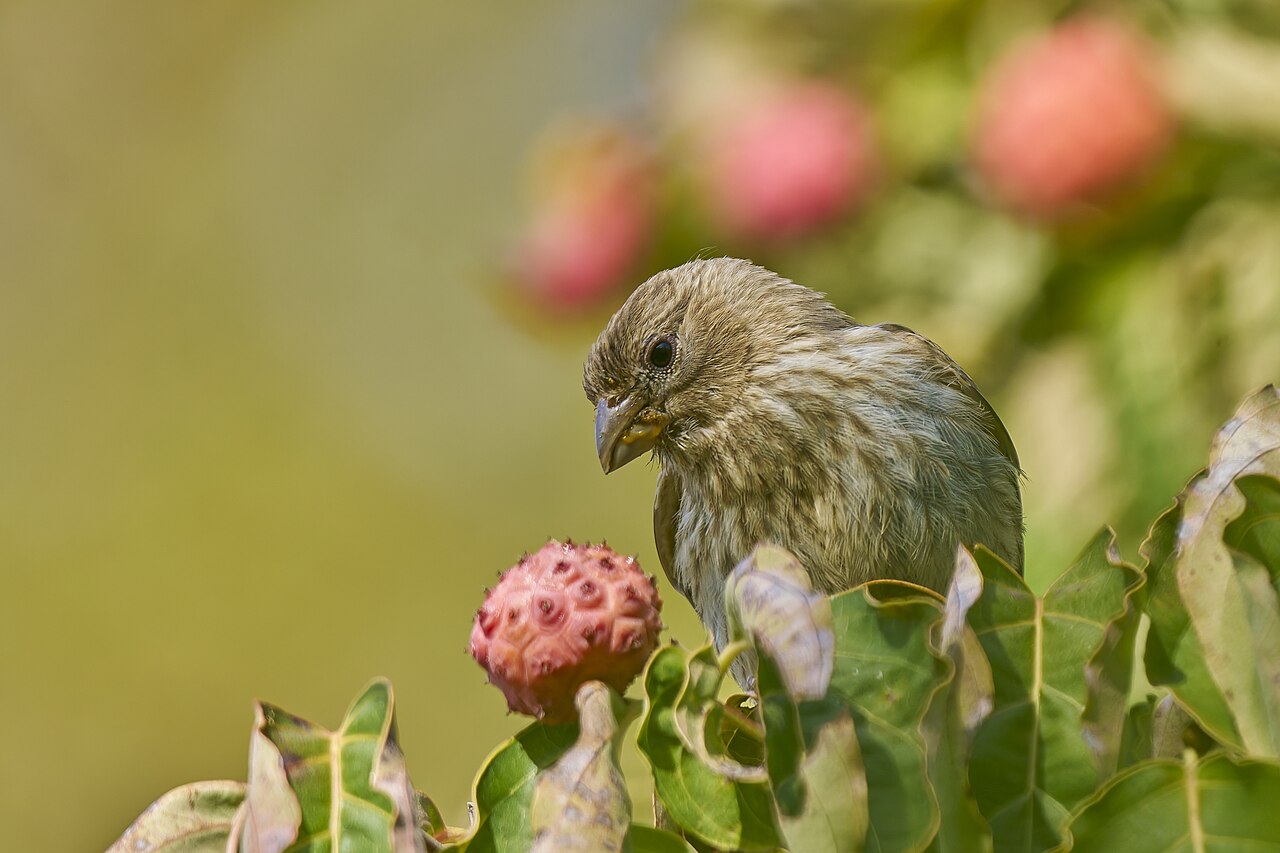
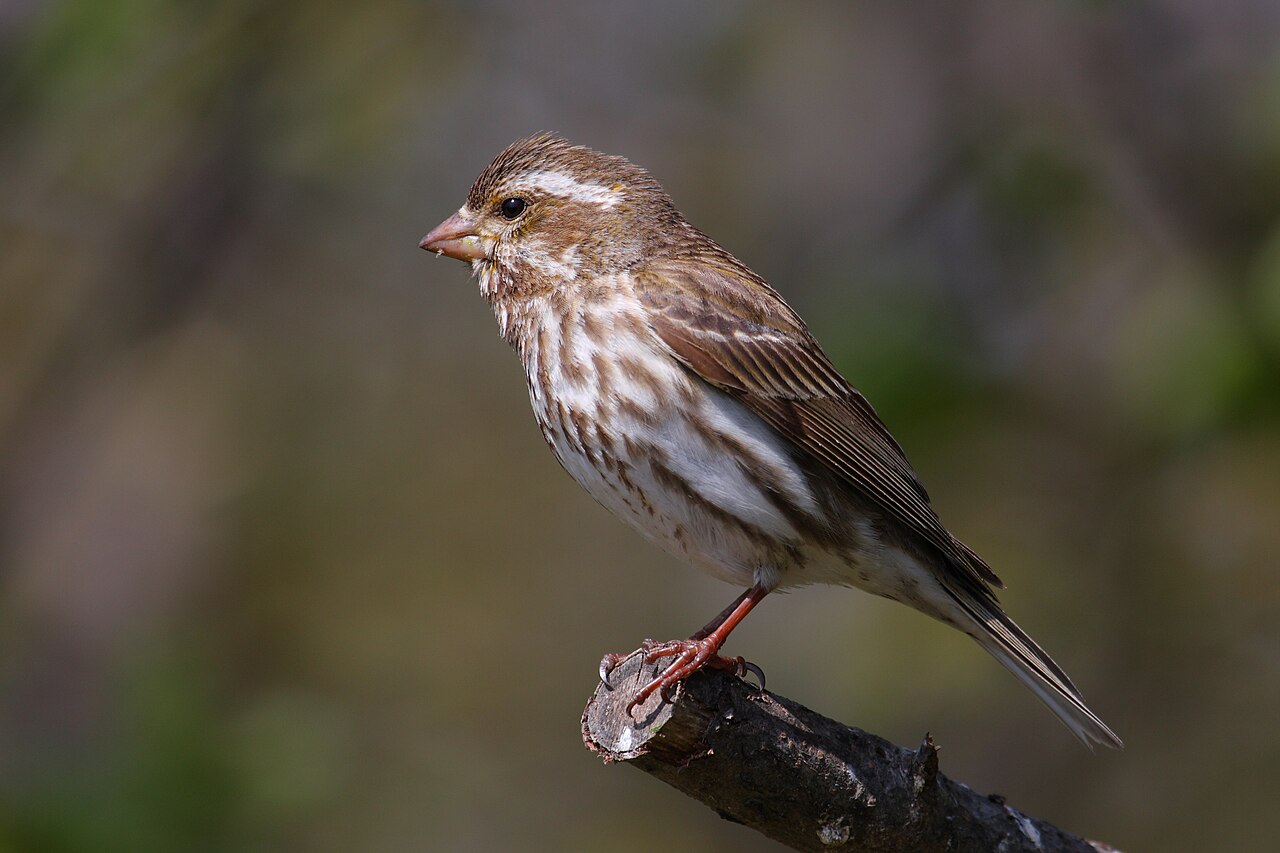
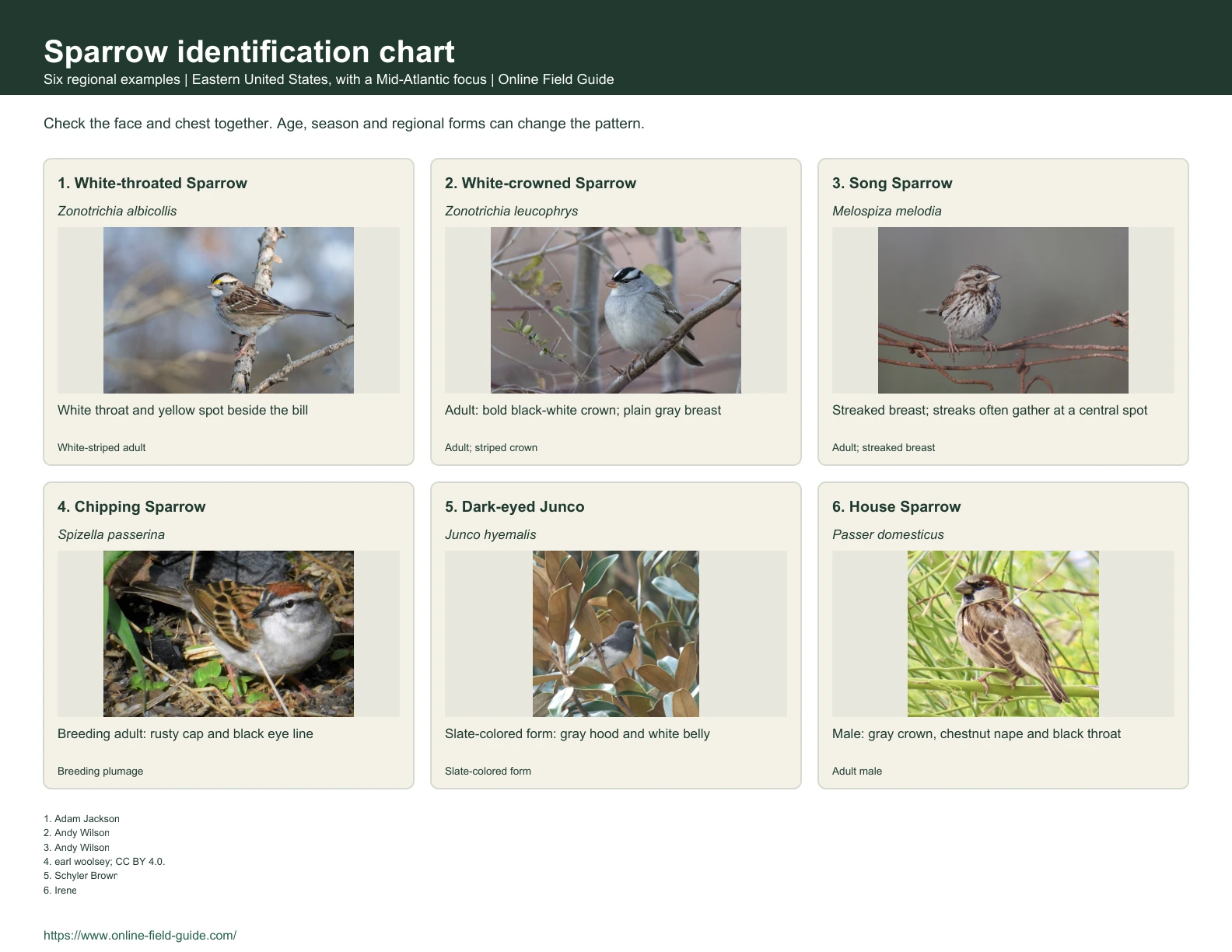
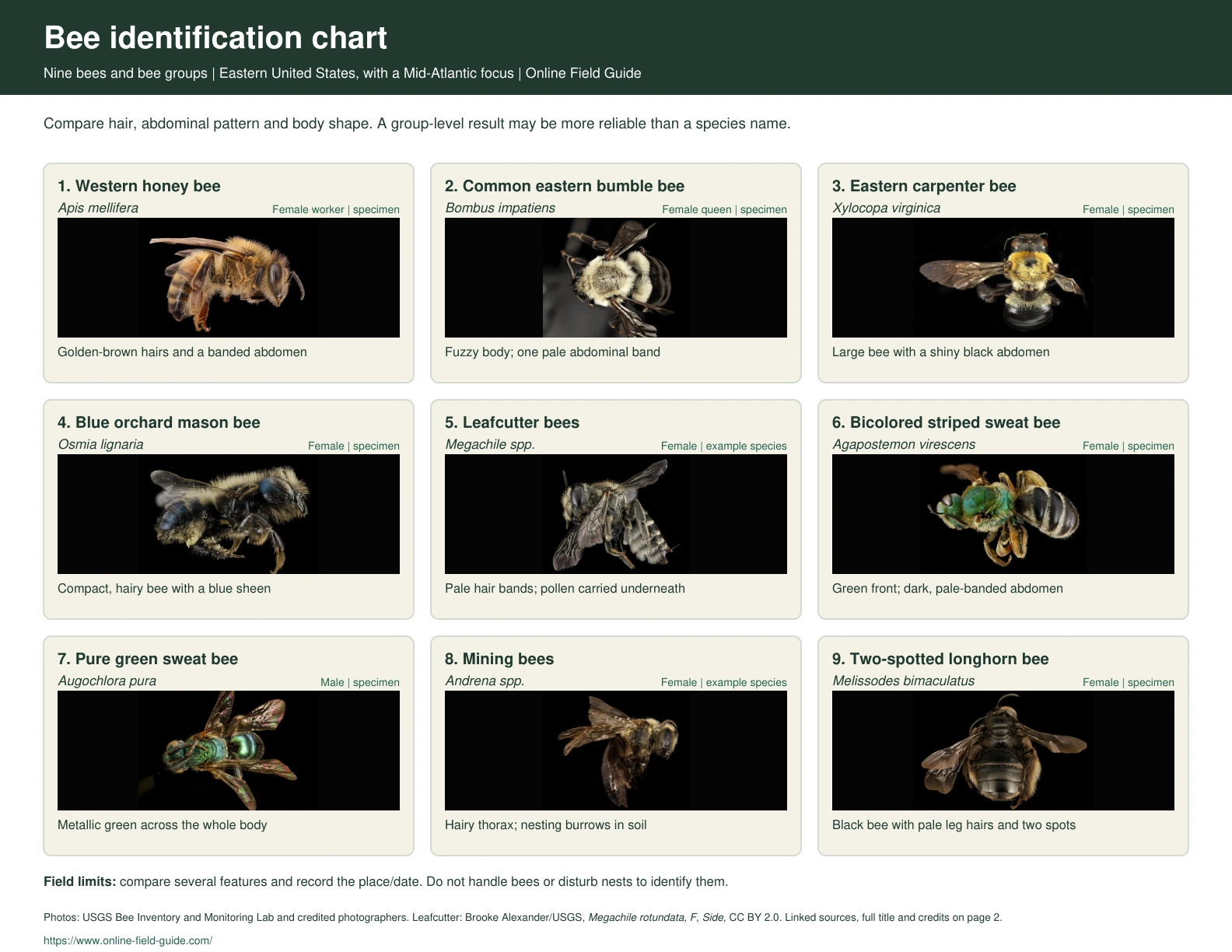
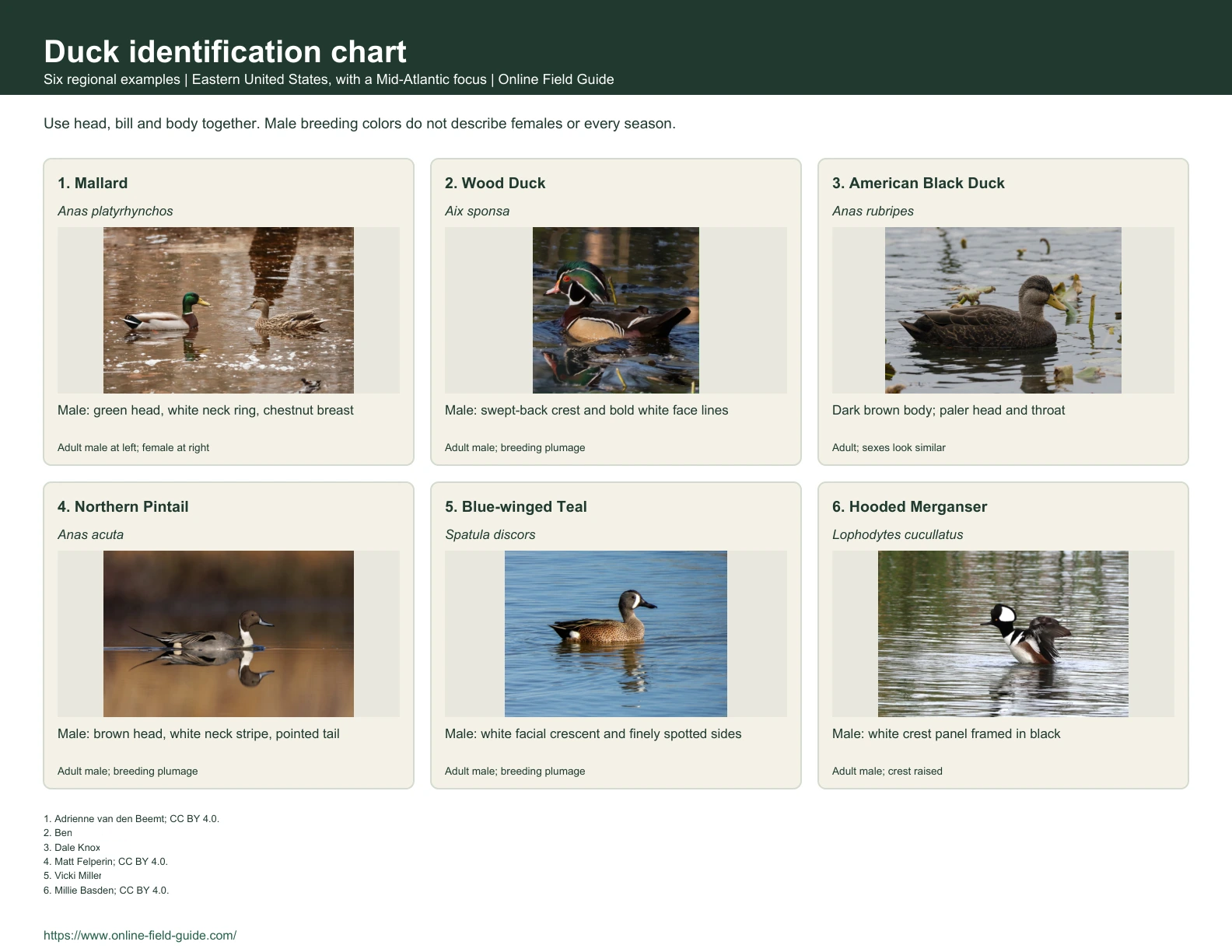
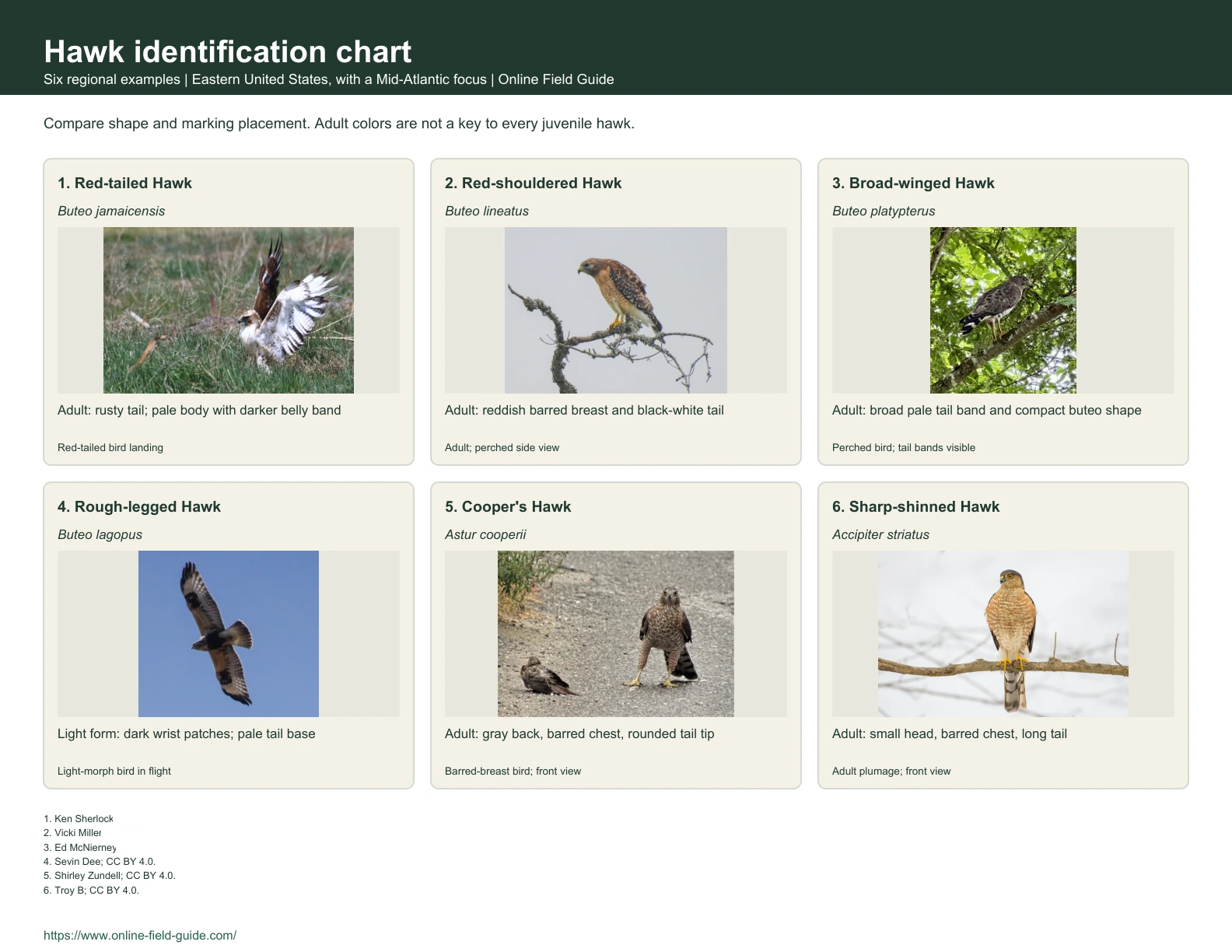
Male House Finches usually have brown-streaked sides with red concentrated around the face and upper breast. Male Purple Finches have a more extensive rosy wash. For female-plumaged birds, look for the Purple Finch’s strong pale eyebrow and contrasting face; House Finches have a plainer face.
House Finch. Use the bill shape and face pattern alongside the underparts. Head color alone cannot identify every House Finch. Paul Danese · CC BY-SA 4.0Purple Finch. This female shows the pale eyebrow and contrasting cheek pattern. Compare those markings with a female House Finch’s plainer face. Cephas · CC BY-SA 3.0
Quick Identification Comparison
Feature
House Finch
Purple Finch
Adult male sides
Brown streaks remain conspicuous
Rosy wash; less obvious brown flank streaking
Female-plumaged face
Relatively plain gray-brown
Bold pale eyebrow and darker cheek
Bill profile
Upper edge looks more curved
Straighter-looking conical profile
Tail
Relatively shallow notch
Usually a more noticeable notch
Start With the Face and Sides
For a red bird, check whether the color spreads over the cheeks, back and sides or stays concentrated around the forehead, eyebrow and breast. A male House Finch often has brown cheeks and clear brown streaks below the red breast. A male Purple Finch gives a more broadly rosy impression.
Do not judge the species by how bright the red looks. Light, camera settings and individual variation can change the photograph. Cornell’s House Finch identification guide also shows males with orange or yellow plumage. A yellow male is not automatically a different species.
Compare Female-Plumaged Birds Separately
A female Purple Finch has a distinct pale eyebrow and a pale stripe beside the throat, separated by a darker cheek area. A female House Finch generally has a much less contrasting face. Look at the head before trying to interpret every streak on the belly.
The Cornell finch identification guide illustrates these face patterns. Young males can resemble females, so “female-plumaged” is a useful description when the bird’s age and sex are uncertain. You can identify the species without forcing a sex identification.
Use Shape to Support the Plumage
Look at the upper edge of the bill in a sharp side view. House Finch bills tend to have a curved profile; Purple Finch bills look more straight-sided. Tail shape can add support: a Purple Finch generally shows a deeper notch than a House Finch.
Neither clue is reliable in every pose. A partly spread tail can look different from a tightly closed one, while a seed in the bill can hide its outline. Use shape as an independent check after the face and sides, rather than replacing those observations.
Check Location and Other Finches
House Finches occur around towns and feeders across much of North America. Purple Finches have a different seasonal distribution, so check a current range map for your location and month. Cornell’s Purple Finch account includes regional plumage examples and similar species.
In western North America, Cassin’s Finch is another possibility. A bird that fails the House/Purple comparison should not be squeezed into one of those names. Record the face, flanks, bill and undertail if possible, then compare all locally plausible finches.
For a useful photograph, wait for a side view with the face and belly in the same frame. Keep a second image of the back or tail. A close-up containing only the red forehead loses several of the features needed to separate this pair.