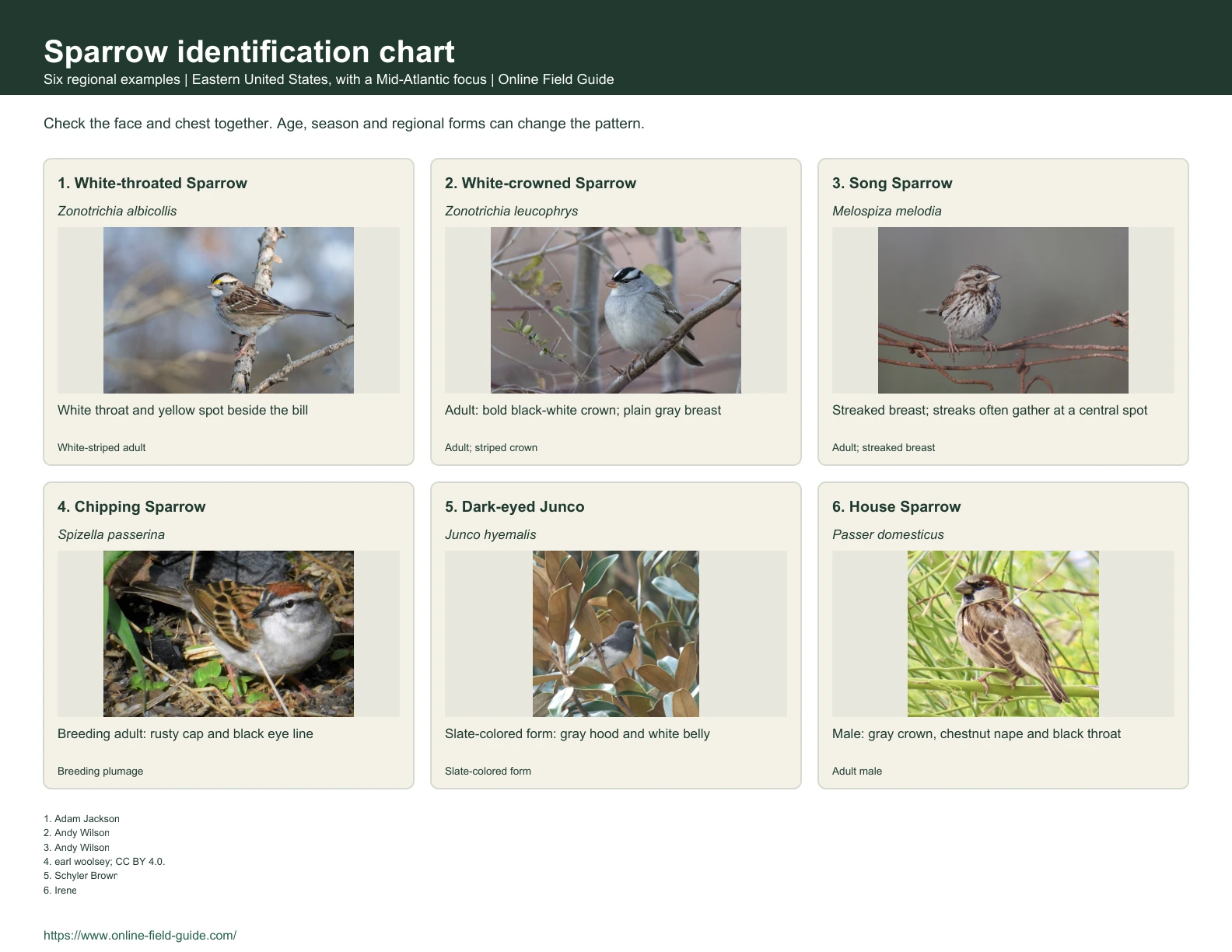
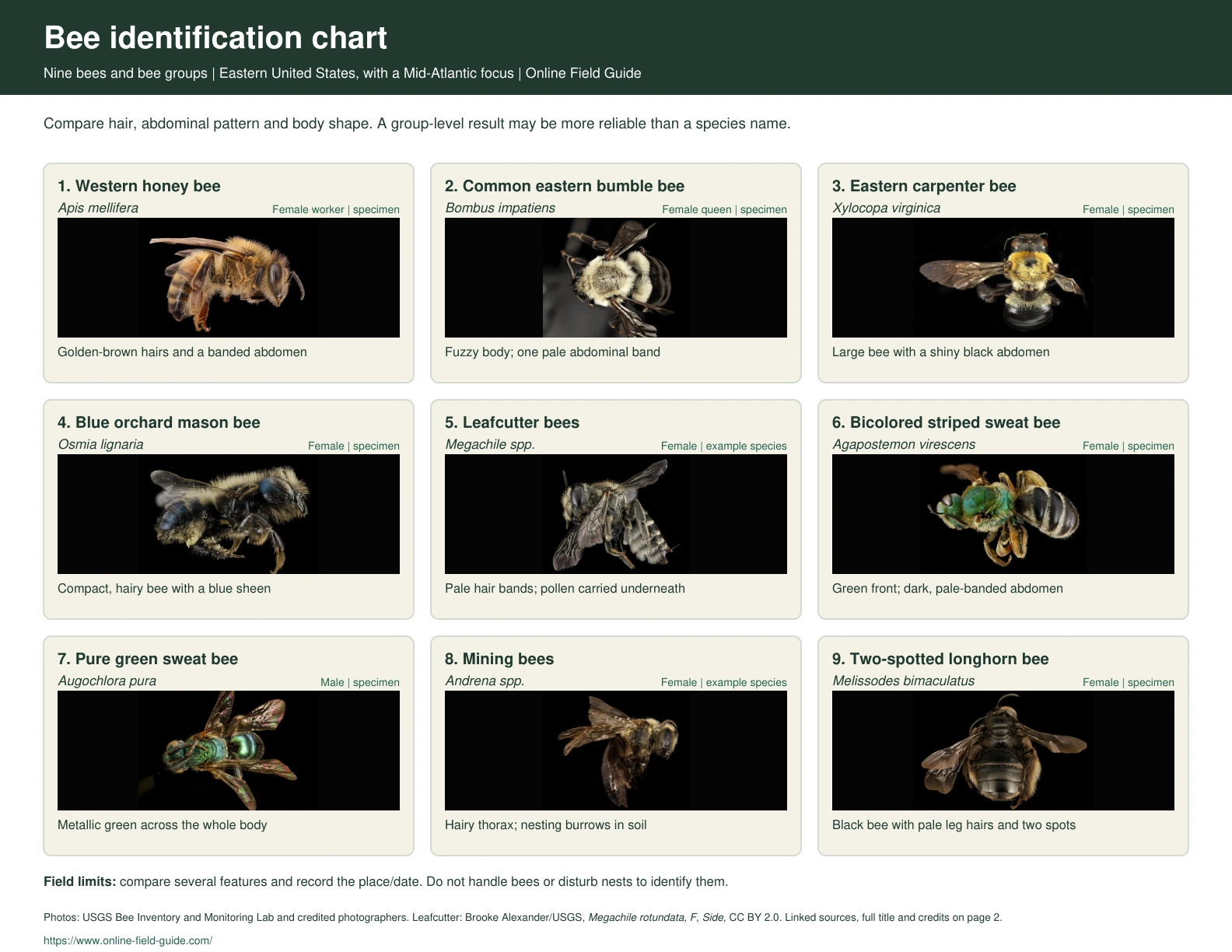
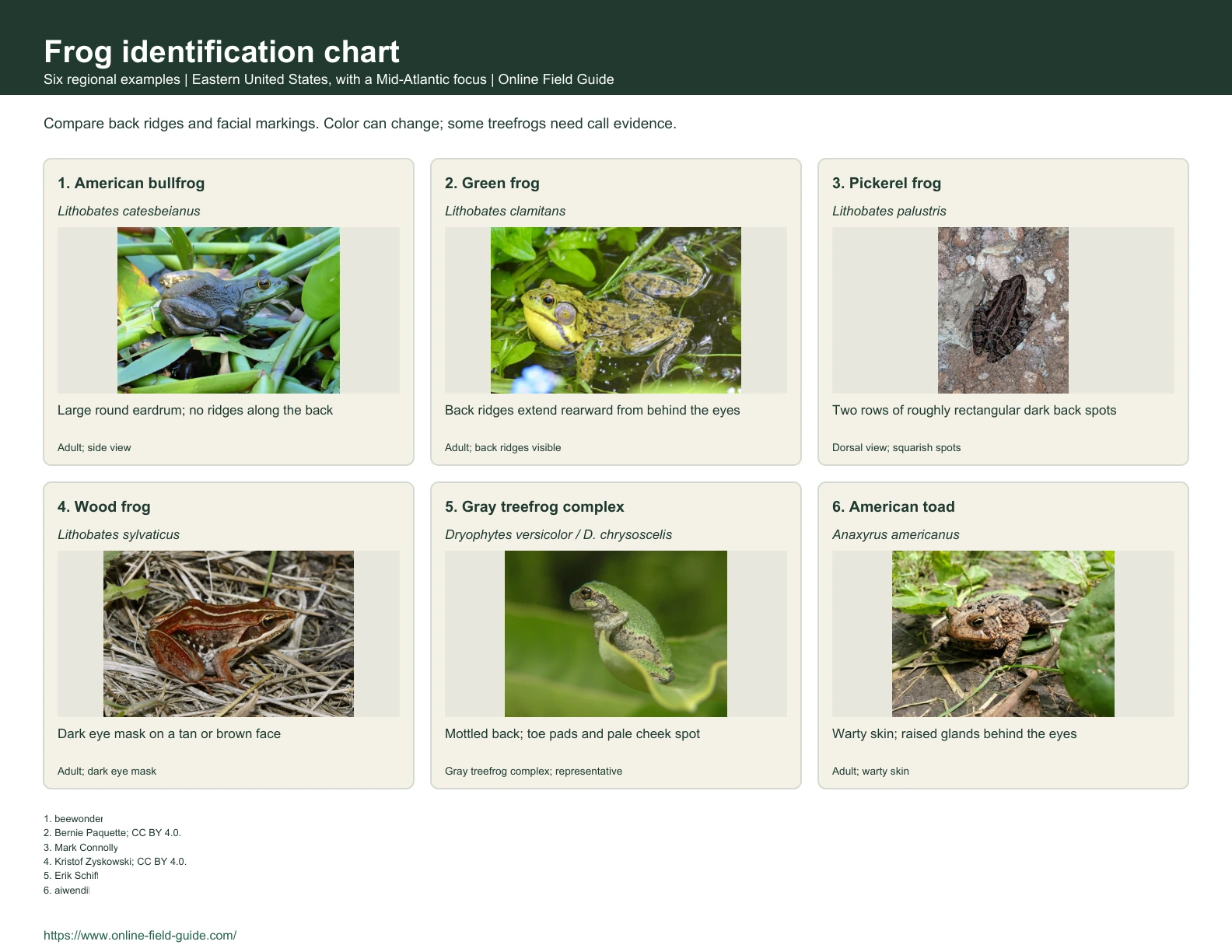
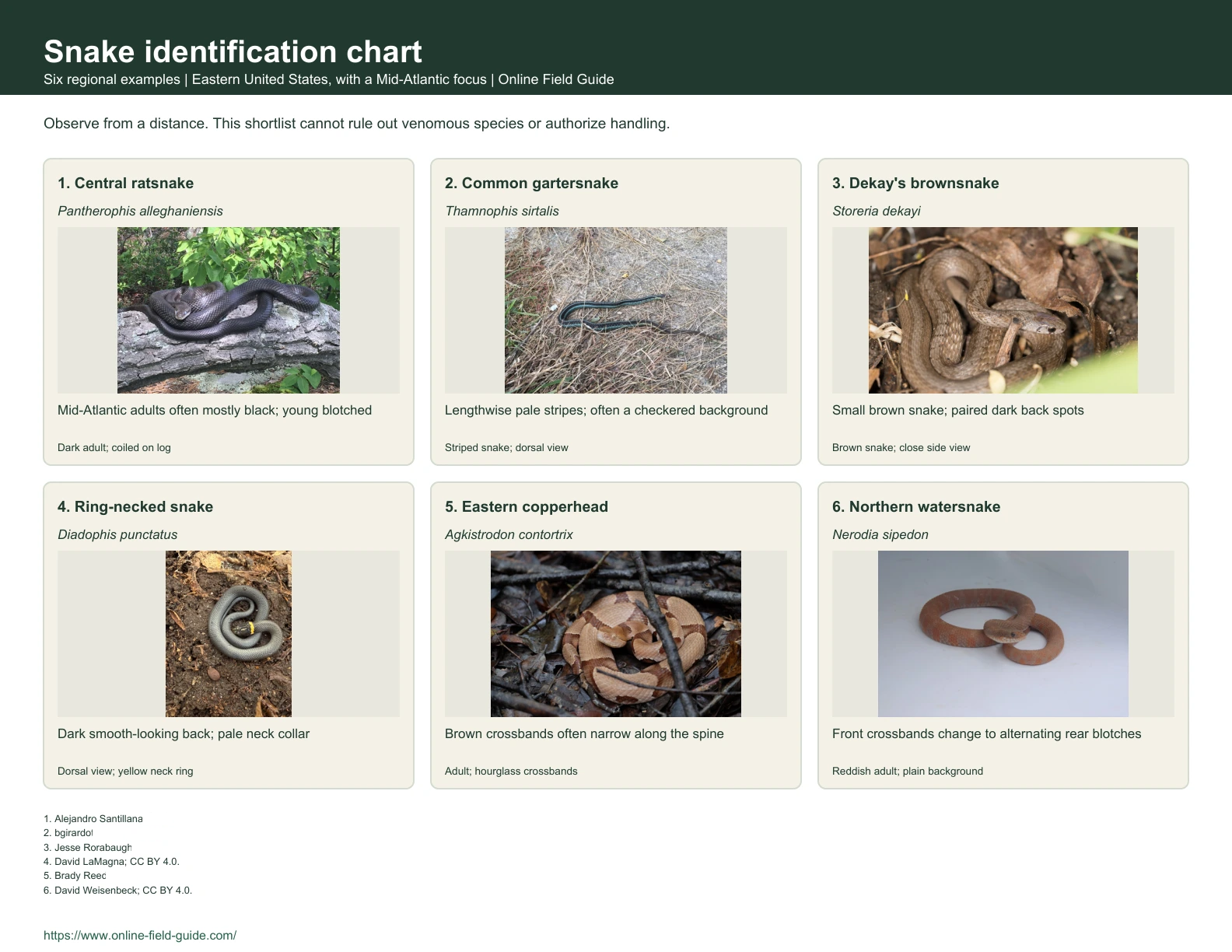
Orioles produce a variety of musical whistles and chattering calls. Their songs are melodious and can sometimes resemble the sound of a flutelike instrument.
The distinctive sounds of orioles set them apart from other bird species. These beautiful birds create a wide range of tunes, from flute-like whistles to complex, melodious songs. Each species of oriole has its unique song pattern, which helps with identification. Orioles also have a variety of calls used for communication, warning, and attracting mates.
Recognizing the Songs and Calls of Different Oriole Species
The first thing to know about orioles is that there are different species, and each has its unique vocal signature. The most common species in North America are the Baltimore Oriole and the Orchard Oriole.
Baltimore Orioles
The male Baltimore Oriole is perhaps the most recognized, with its stunning combination of black and bright orange plumage. But it’s not just their appearance that is striking; their song is equally remarkable. It’s a melodious whistle, composed of short phrases combined into longer sequences.
Each phrase is usually a two or three-note whistle that sounds like “here-here-come-right-here-dear” or “hurry-up-and-come-back”. Some describe it as a pure, flute-like sound, and each bird has a unique variation of the song.
For the Baltimore Oriole, song does two main jobs: claiming a patch of territory and drawing in a mate. If you stay quiet and listen, you will often hear the same phrases looping back at regular intervals. That steady repetition is the male reminding rival males that he is around, while also advertising himself to any female within earshot.
Orchard Orioles
The Orchard Oriole, though not as brightly colored as its Baltimore cousin, compensates with its captivating song. The male Orchard Oriole’s song is a series of clear, distinct notes, delivered with a rapid, high-pitched chatter.
It has a more hurried pace compared to the Baltimore Oriole and sounds like a series of “chit-chit-churri-churri” notes. The Orchard Oriole’s song is just as essential for territory marking and mate attraction, despite its different tempo and rhythm.
Other Vocalizations
Songs are only part of the story; orioles also rely on a small toolkit of calls for everyday business. The alarm call is a sharp, harsh note that flags a possible threat, such as a passing hawk, to nearby birds. For quieter back-and-forth between mates or close neighbors, they switch to a soft ‘chuck’ or ‘click’ that barely carries beyond the next branch.
Another fascinating vocalization is the female oriole’s song. While not as complex or melodious as the males’, female orioles do sing, especially in response to the males’ songs. Their song is typically shorter, simpler, and quieter, but still a treat to hear.
Conclusion
The oriole’s song is an enchanting aspect of the natural world. Their melodies, whether a Baltimore’s melodious whistle or an Orchard’s rapid chatter, add a beautiful soundtrack to our outdoor experiences. Their songs serve as a reminder of nature’s complexity and the richness of bird communication. Each oriole’s song is unique, reflecting not only the individual and the species but also the intriguing dynamics of their avian world.