
In geography, push factors are reasons to leave a place. Pull factors are reasons to choose a new one. The same move can involve both, such as a rent increase at home and the chance to find a more affordable apartment in another town.
To explain why someone moved, start with their old home and their destination. A reason to leave can explain the decision to move, while a connection such as family nearby can explain the choice of one town over another.
One Move Can Have Several Reasons
Suppose a factory closes. One worker finds a job in the next county and moves there. Another gets a similar offer in a different city, where they already have family. Both workers face the same push at home. The job offers and family ties help explain where each goes.
The U.S. Census Bureau’s migration overview lists employment, housing, proximity to family and other reasons for moving. A job can appear on either side of the model. The direction depends on which place and which condition you are describing.
Examples of Push and Pull Factors
- Jobs: A factory closes in one town. Nearby towns with vacancies offer possible destinations.
- Education: A student cannot take a particular course near home. Admission to a program in another city draws them there.
- Environment: Repeated flooding damages housing. A household may look for a home outside the flood-prone area, if housing is available and affordable.
- Family: An older adult may move closer to relatives who can help with daily care.
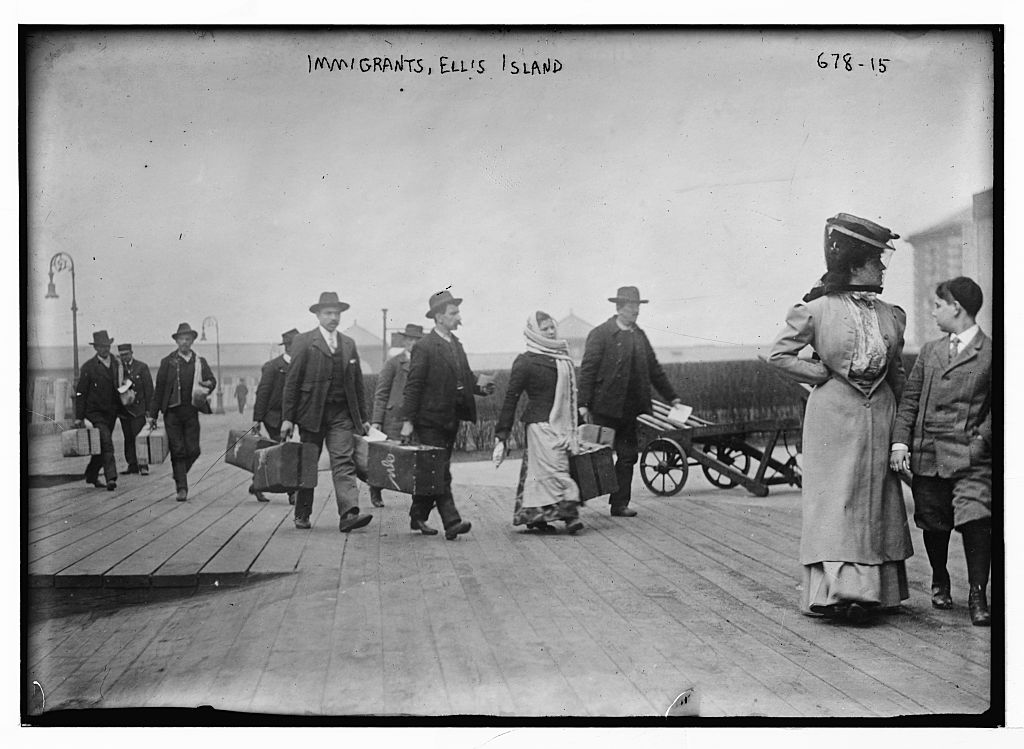
Ellis Island, shown above, was an entry point for many migrants to the United States. The National Park Service teaching guide gives examples such as religious persecution at home and the promise of factory work abroad. An arrival photograph shows part of the journey. To learn why a particular passenger left, look for records of their own account.
Why an Attractive Destination May Stay Out of Reach
Moving costs money and takes planning. Travel, housing availability and entry requirements can stand between a person and the destination they prefer. A family with ties in two cities may choose the nearer one because they can afford the trip. Someone fleeing a conflict may have to take the first safe route out. The circumstances that force them to leave and the choices open to them are both part of the explanation.
When explaining a migration example, name the origin and destination and say which factor belongs to each place. Then look for the obstacle or connection that made the move more or less feasible. A regular commute may involve the same road and job opportunities, but it is a different kind of movement in geography because the person keeps the same home.
Featured photo: Bain News Service / Library of Congress