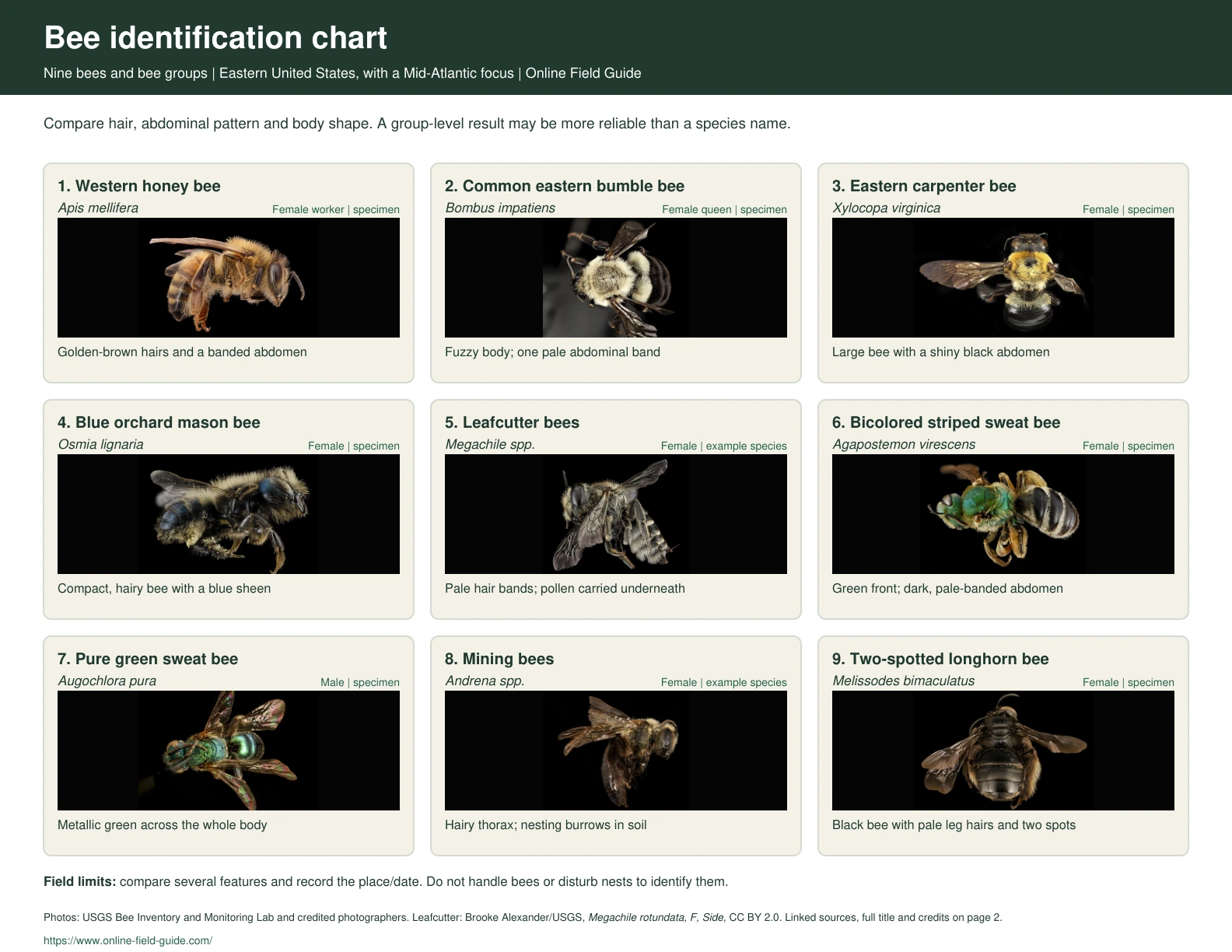
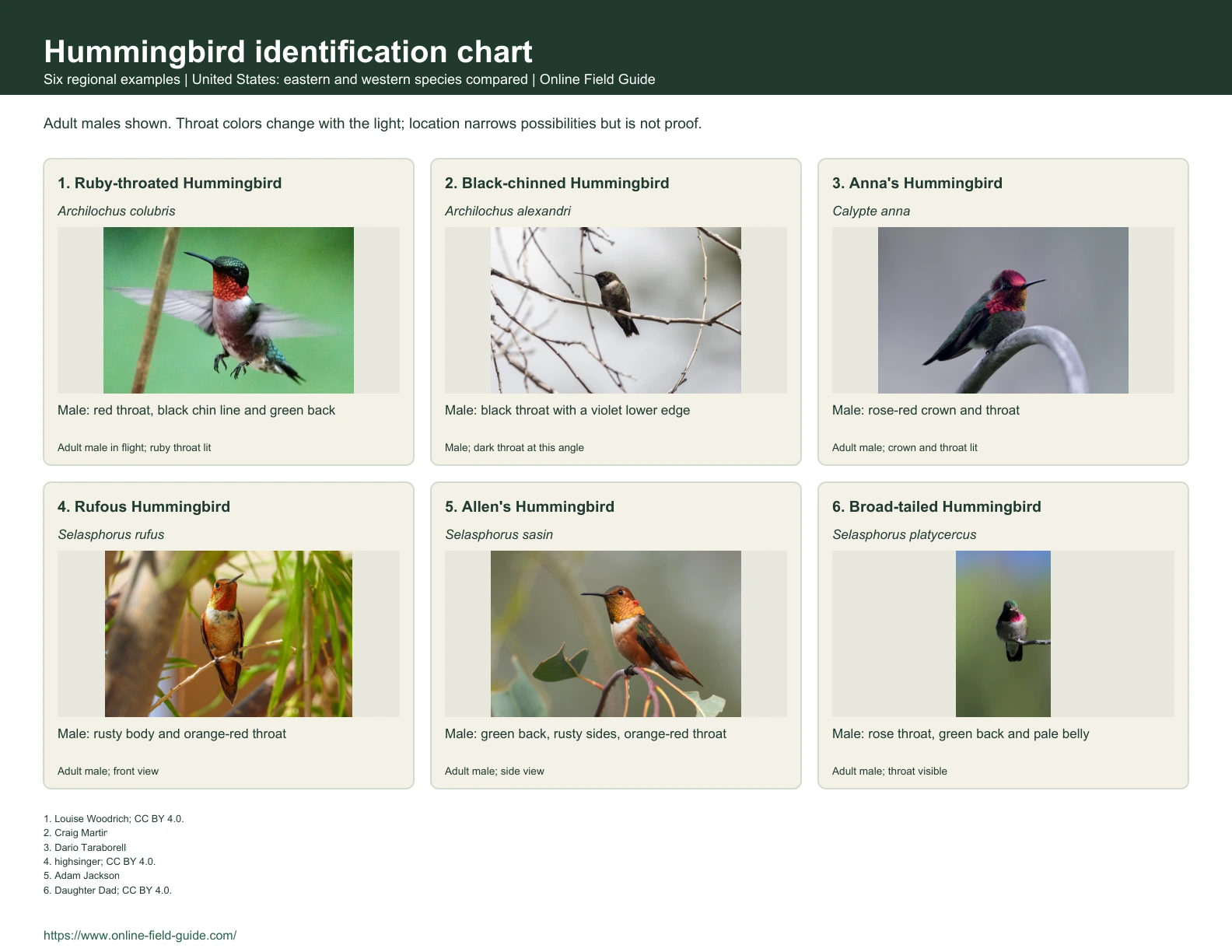
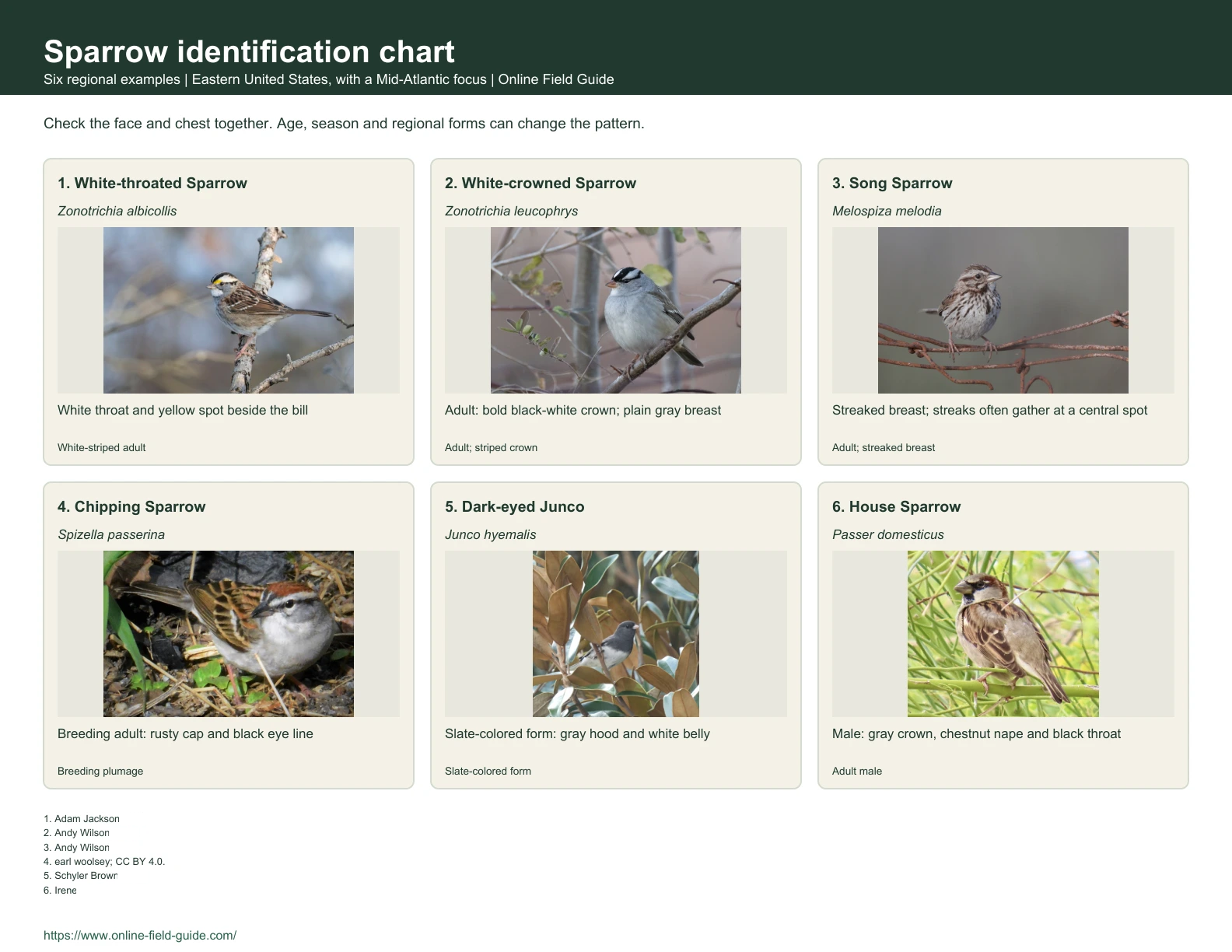
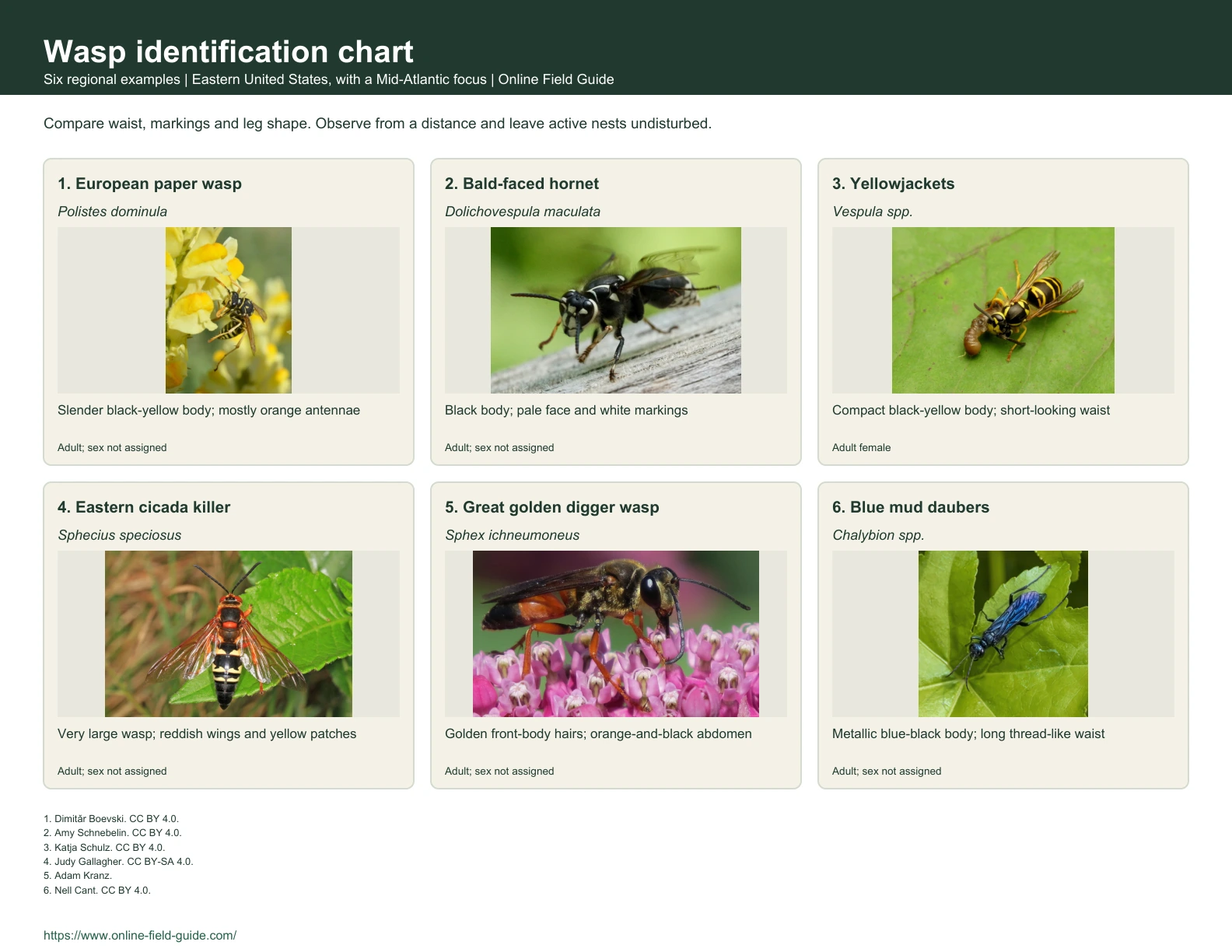
Currently, there are between 80 million and 100 million managed beehives in the world. Each of these hives contains anywhere from 10,000 to 60,000 bees, so there are potentially billions of bees in the world.
The global bee population is crucial for ecosystem health and stability. Bees pollinate many plants, including fruits and vegetables that are vital to the human diet.
How Many Species of Bees Are There?
There are around 20,000 species of bees, but many are solitary and don’t live in hives. According to the Intergovernmental Science-Policy Platform on Biodiversity and Ecosystem Services (IPBES), the western honey bee (Apis mellifera) is the most widespread managed pollinator globally.
What Are the Threats to Bees?
Habitat loss, pesticide use, disease, and climate change are major threats to bee populations. Destruction of their habitats can deprive bees of food and nesting sites.
Pesticides can harm bees, and diseases can quickly spread through hives, drastically reducing their numbers. Climate change also impacts the availability and timing of blooms, further decreasing bee populations.
How Can We Help Bees?
Helping bees thrive is crucial. Plant a mix of flowers blooming throughout the year. Include native plants suited to the local environment.
Supporting local beekeepers and purchasing locally-produced honey helps bees significantly. Educate others about their importance and encourage actions to protect these vital insects.